
If you are thinking about selling your bike, one question keeps coming up again and again: how much can I get for a used motorcycle? It is a fair question. Motorcycles are not cheap investments, and no one wants to leave money on the table. At the same time, many sellers overestimate value, underestimate buyer expectations, or get stuck waiting weeks with no serious offers.
This guide breaks everything down clearly. You will learn what your motorcycle is really worth, what affects pricing the most, how private sales compare to instant buyers, and how to avoid the mistakes that cost sellers thousands.
Why Motorcycle Prices Vary So Much?
Motorcycle prices vary because there is no fixed formula for value. Unlike cars, motorcycles do not lose value at a steady rate. Two bikes that look similar on paper can sell for very different prices based on condition, demand, and how easy they are to resell. Buyers focus on future costs and risk, not personal attachment or past upgrades.
When you understand what truly drives pricing, you make smarter decisions and avoid guessing or overpricing your motorcycle.
Factors That Decide Your Motorcycle’s Value
Make, Model, and Engine Size
Brand matters more in motorcycles than in most vehicles.
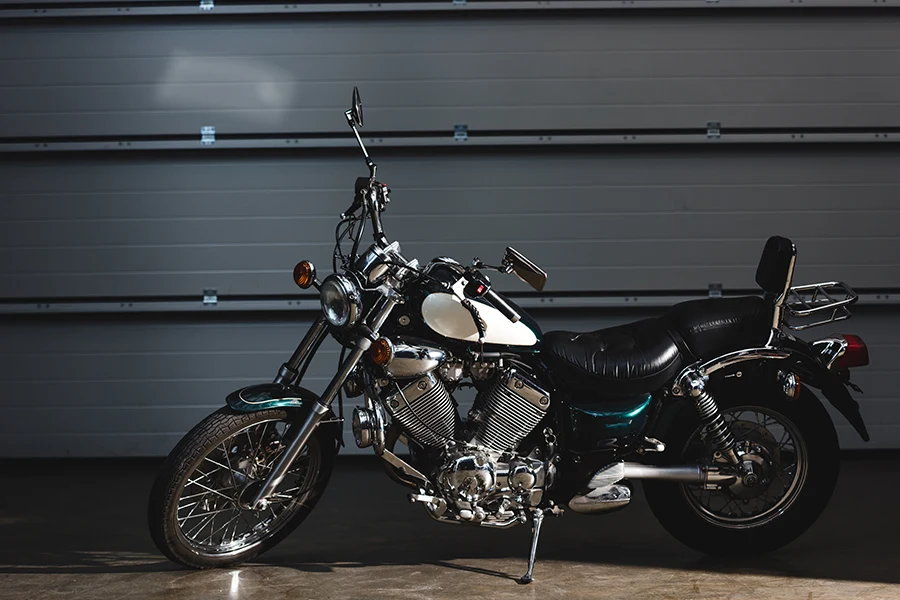
- Japanese bikes, such as Honda, Yamaha, Kawasaki, and Suzuki, hold steady resale value
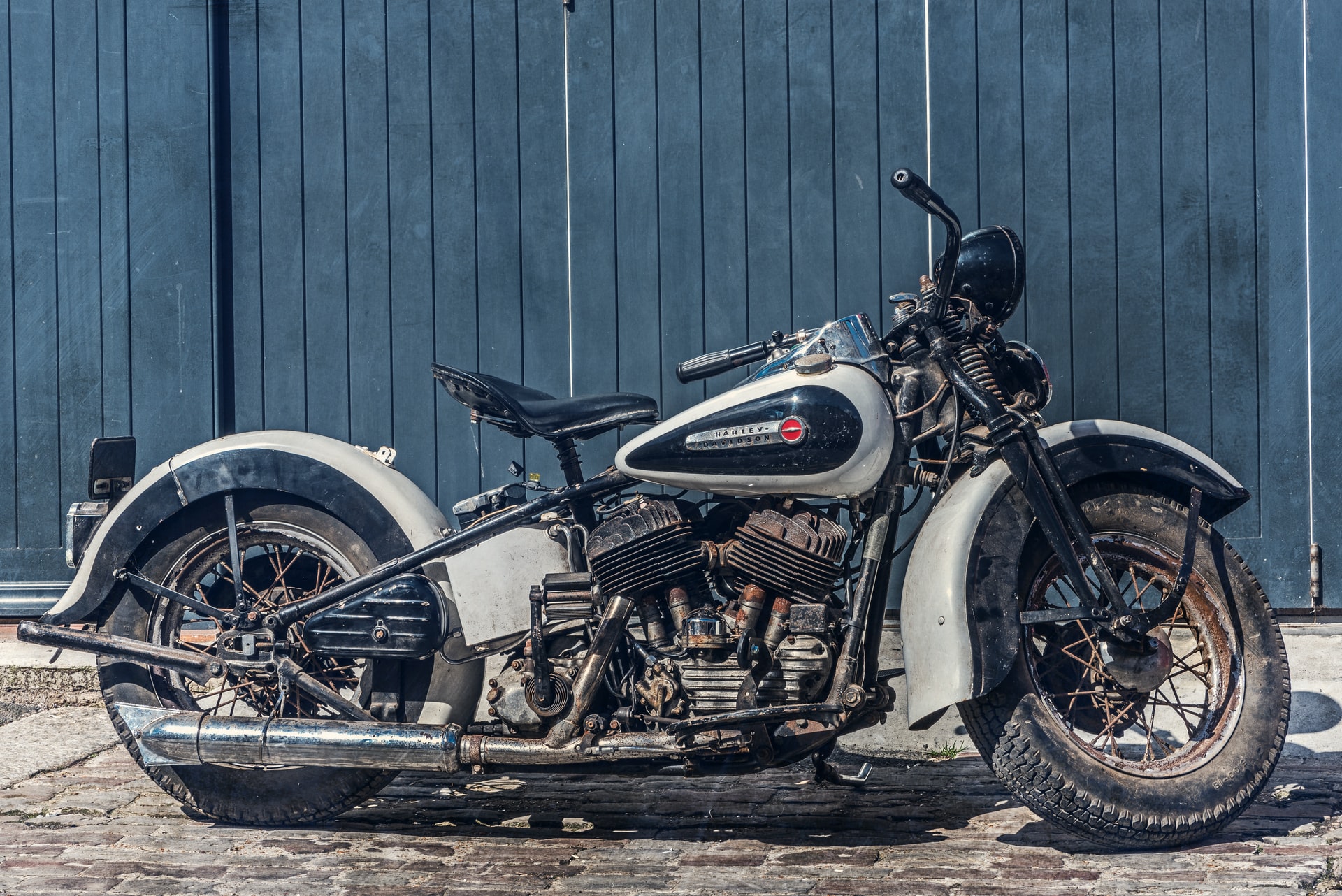
- Harley-Davidson models often command premium prices due to brand loyalty
- European bikes like BMW, Ducati, and KTM depend heavily on maintenance history
Engine size also changes buyer demand. Mid-range engines often sell faster than extremely high-cc bikes because insurance and maintenance costs stay lower.
Year and Mileage
Mileage plays a different role for motorcycles than for cars. A five-year-old bike with 15,000 miles often sells better than a ten-year-old bike with 5,000 miles. Buyers trust bikes that have been ridden and serviced more than ones that sat unused.
General buyer expectations:
- Under 10,000 miles, premium value
- 10,000–30,000 miles, normal market range
- Over 40,000 miles, value depends on brand and maintenance
Condition Of The Motorcycle
Condition often matters more than the year on the title. Buyers inspect:
- Engine performance: Smooth starts and steady power show good maintenance and lower repair risk.
- Transmission smoothness: Clean, easy gear shifts indicate healthy components and careful riding.
- Suspension wear: Stable suspension without leaks suggests reliable handling and comfort.
- Brake life: Strong, responsive brakes signal safety and recent maintenance.
- Cosmetic damage: Clean bodywork boosts buyer confidence and resale value.
A mechanically strong older bike will often beat a newer bike with warning lights or neglected service.
Service History Builds Trust
Service history plays a major role in a motorcycle’s value. Maintenance records show that the bike received proper care over time. Regular oil changes, brake service, valve checks, and chain replacements reduce uncertainty.
When records are missing, buyers assume higher repair costs ahead, which quickly leads to lower offers.
Modifications Help or Hurt
Not all upgrades add value.
Positive modifications:
- Quality exhaust systems with tuning
- OEM-style luggage and touring add-ons
- Professional suspension upgrades
Negative modifications:
- Engine tuning without documentation
- Cosmetic changes that limit resale appeal
- Electrical modifications
Buyers pay more for reliability, not personal taste.
Realistic Price Ranges by Motorcycle Type
Here are realistic value ranges sellers see in the current market. These are not inflated listings, but actual transaction ranges.
Sport Bikes
- Older 600cc models: $2,500 to $4,500
- Newer 600cc models: $5,000 to $9,000
- Liter bikes: $6,000 to $12,000
Cruisers
- Entry-level cruisers: $2,000 to $4,000
- Mid-range Harley and Japanese cruisers: $4,500 to $9,000
- Premium Harley models: $10,000 and above
Touring Motorcycles
- Older touring bikes: $4,000 to $7,000
- Modern touring motorcycles: $8,000 to $18,000
Dual-Sport and Adventure Bikes
- Small displacement dual sports: $2,500 to $4,500
- Mid-range adventure bikes: $5,500 to $10,000
- Large adventure models: $9,000 to $16,000
These ranges change based on season, demand, and condition.
How Seasonality Affects Motorcycle Prices
Motorcycle prices change throughout the year based on riding demand. Spring and early summer attract more buyers, which pushes prices higher.
Demand slows in the fall and drops further in winter, leading to lower offers. Professional buyers evaluate bikes using real market data year-round, avoiding sharp seasonal price swings.
Private Sale vs Professional Buyer
| Selling Method | Advantages | Drawbacks |
| Private Sale | Higher asking price potential | Long waiting periods |
| Full control over negotiations | Time spent replying to inquiries | |
| Test ride and safety risks | ||
| Last-minute price negotiations | ||
| Seller handles all paperwork | ||
| Professional Buyer | Fast, straightforward process | Offer reflects current market value |
| No test rides or strangers | Less negotiation involved | |
| Quick payment and pickup | ||
| Paperwork handled for you |
Common Mistakes That Lower Motorcycle Value
- Overpricing Based on Emotion: Buyers do not pay for memories. Pricing too high scares away serious interest.
- Ignoring Small Repairs: A weak battery, worn tires, or a leaking seal can drop value far more than the cost to fix them.
- Poor Presentation: Dirty bikes sell for less. Simple detailing increases perceived value immediately.
- Waiting Too Long: Motorcycle values drop every riding season. Delaying often costs more than sellers expect.
What Documents Increase Your Offer
Having the right documents ready helps you sell faster and often increases your offer. Bring:
- Clear title
- ID
- Service records
- Owner’s manual
- Spare keys
Organized paperwork builds buyer confidence and reduces risk, which leads to stronger and quicker offers.
What If the Motorcycle Does Not Run?
Even if your motorcycle does not run, it is not worthless. Buyers look at the value of individual parts such as the engine, frame, electronics, and exhaust. Rebuild potential also matters, especially for popular or reliable models. High-demand brands retain stronger value even in non-running condition. While offers are lower than for running bikes, sellers avoid repair expenses and still receive a fair, market-based price without fixing the motorcycle first.
Final Thoughts: Get a Clear Answer and Move Forward With Confidence
If you are asking, how much can I get for a used motorcycle, the answer comes down to facts, not guesses. Condition, demand, service history, and timing decide real value, not online listings or emotional attachment. You can spend weeks testing the private market, or you can choose clarity, speed, and certainty.
If you want a fair, market-based offer without repairs, delays, or stress, The Bike Buyers make the process simple. Get your bike evaluated, understand its true worth, and decide on your terms.
Reach out to The Bike Buyers today and turn your motorcycle into cash without the wait or hassle.
FAQs
How do I know if my motorcycle is priced fairly?
Compare recent sales, not listings. Professional buyers base offers on real transactions, not hopeful asking prices.
Does mileage matter more than age?
Condition and service history often outweigh mileage. A well-maintained high-mile bike sells better than a neglected low-mile one.
Should I repair my bike before selling?
Only if the repair clearly increases value more than it costs. Cosmetic or mechanical guesses often waste money.
Can I sell my motorcycle without service records?
Yes. Buyers still purchase motorcycles without records, but missing history raises maintenance risk. Offers often adjust to reflect uncertainty, mileage, condition, and the buyer’s inspection findings.
How fast can I get paid?
Once details are verified, many professional buyers finalize offers quickly. Payment and pickup often happen within two to five days, depending on paperwork, location, and scheduling.
What if my motorcycle has a loan balance?
Some buyers assist with loan payoff coordination. The process depends on your lender, remaining balance, and title status, and usually involves direct payment to the lender before transfer.